You’re Facing a Total Loss—And the Offer Feels Wrong
Your car is totaled after the accident. The insurance company’s settlement offer seems too low to actually replace your vehicle. You don’t understand how they calculated the value or why their number doesn’t match what you know your car was worth.
You’re worried about your outstanding loan if you owe more than insurance is offering. You’ve heard about gap insurance total loss coverage, but don’t know if you have it or how it works. The financial anxiety of paying for a totaled car while buying a replacement is overwhelming.
You’re confused about whether to accept or challenge the offer. Is the settlement negotiable? What happens if you reject it? You don’t know the rules, and insurance companies aren’t forthcoming about your options.

You’re anxious about replacing your vehicle with an inadequate settlement. Even if the offer seems close to reasonable, comparable vehicles cost significantly more. Dealer fees, taxes, and current market prices mean the settlement won’t actually buy an equivalent replacement.
You’re overwhelmed by this process while dealing with injuries and medical treatments. Learning about valuations, researching comparable vehicles, understanding gap insurance, and negotiating settlements feels like a full-time job when you should be focusing on healing.
This is exactly why CALLMAA provides expert vehicle replacement. We help you understand how settlements get calculated, identify when offers are too low, determine whether gap insurance applies, and coordinate with your attorney to maximize compensation. You don’t have to accept the first offer or figure this out alone.
Call MAA today for the vehicle replacement you need to secure a fair settlement that actually reflects your vehicle’s value. Whether you’re dealing with negative equity, questioning inadequate valuations, or simply need expert guidance, we’re here to help you navigate your claim with confidence.

CALLMAA Understands the Financial Stress of a Totaled Vehicle
You’re already dealing with accident stress, injuries, and medical appointments. Learning that your car is totaled adds significant financial worry on top of everything else. You deserve fair compensation that actually replaces what you lost, not a lowball offer that leaves you financially worse off.
CALLMAA has helped thousands of accident victims navigate total loss claims and secure fair settlements. We understand exactly how insurance companies calculate valuations and recognize the tactics they use to justify lowball offers. We know when gap insurance total loss coverage applies and how to ensure you receive all the protection you’re entitled to.
Most importantly, we coordinate our vehicle replacement with your attorney to ensure your settlement supports your broader injury claim. The documentation and negotiations become part of your complete compensation strategy, maximizing your overall recovery.
We’ve seen thousands of valuations and know immediately when offers are fair versus when they’re using cherry-picked comparables or biased methodologies. We handle the complicated evaluation and negotiation while you focus on recovery, and we coordinate everything with your attorney so your settlement strengthens your overall case.
How CALLMAA’s Total Loss Guidance Process Works
Getting expert help with your totaled car settlement doesn’t have to be complicated. CALLMAA has created a simple three-step process for evaluating total loss vehicle value offers and securing fair compensation. Whether you’re facing a lowball insurance offer, concerned about gap insurance total loss coverage, or simply need professional vehicle replacement to navigate the claims process, we handle the evaluation and coordination so you can focus on your physical recovery.
Step 1: Call MAA and Tell Us About Your Situation
The first step to getting fair compensation for your totaled vehicle is simple. Call MAA and tell us about your car and the insurance offer you received. Describe your vehicle’s year, make, model, condition, mileage, and any recent improvements or upgrades. Share the settlement amount, insurance proposed, and any concerns you have about the valuation. This initial conversation about your situation takes less than five minutes. We listen carefully to understand your specific circumstances, assess whether you might be dealing with gap insurance total loss concerns if you have an outstanding loan, and begin evaluating whether the offer reflects accurate total loss vehicle value or represents a lowball attempt to minimize your totaled car settlement.
Step 2: We Evaluate Your Settlement and Build Your Strategy
After understanding your situation, CALLMAA conducts a thorough evaluation of the insurance company’s valuation methods and settlement offer. We review how they calculated the total loss vehicle value, examining the comparable vehicles they selected, the adjustments they applied for condition and mileage, and whether their methodology produces fair results or systematically undervalues your car. We identify better comparable vehicles in the current market that support a higher total car settlement, documenting actual sale prices for similar vehicles that prove insurance used cherry-picked or outdated comparables.
We assess whether the offer is genuinely fair or represents a lowball attempt to save insurance money at your expense. If you have an outstanding loan on your totaled vehicle, we determine whether gap insurance total loss coverage applies to your situation and how it affects your financial position. Throughout this evaluation process, we coordinate with your attorney to develop a strategic approach that maximizes both your property settlement and your overall injury claim. Our vehicle replacement ensures that your totaled car settlement negotiations align with your broader legal strategy rather than working at cross purposes.
Step 3: You Receive Fair Compensation That Replaces Your Vehicle
The outcome of CALLMAA’s evaluation and coordination is securing a total car settlement that actually reflects your vehicle’s fair market value and provides adequate funds to replace what you lost. If the initial offer was too low, we help you challenge it with proper documentation, including better comparable vehicles, evidence of your car’s condition and features, and independent appraisals if necessary. We guide negotiations for an accurate total loss vehicle value that accounts for current market conditions, your vehicle’s actual condition, and all features and improvements insurance may have overlooked.
If you’re facing negative equity on your vehicle loan, we ensure gap insurance total loss coverage applies properly to eliminate the financial burden of owing money on a car you can no longer drive. Throughout the settlement process, we coordinate with your attorney to ensure all documentation supports your injury claim and that timing aligns with your overall case strategy. You receive a settlement that actually allows you to replace your vehicle with something comparable, rather than forcing you to accept a lesser car or come up with thousands of additional dollars during your recovery. The compensation reflects what you actually lost, not just what the insurance wanted to pay.
What “Total Loss” Means and How Insurance Makes This Determination
Understanding how insurance decides whether your vehicle is totaled and calculates settlements affects your ability to challenge unfair determinations. The process involves specific formulas and valuation methods that insurance companies control—and they often manipulate these calculations to minimize payouts. CALLMAA helps you recognize when insurance is undervaluing your vehicle.
When Is a Car Declared Totaled?
Insurance declares a vehicle totaled when estimated auto/vehicle repair costs exceed a certain percentage of pre-accident value, typically sixty-five to eighty percent, depending on state regulations. This threshold gives insurance significant control since they estimate both repair costs and vehicle value, and both numbers can be manipulated.
State thresholds vary. An identical vehicle with identical damage might be totaled in one state but repairable in another. Once insurance declares your vehicle totaled, you typically cannot choose to repair it instead. The decision is made for you.
Insurance sometimes declares vehicles totaled prematurely to cap their exposure rather than risk higher repair bills with supplements. This motivation means they may push for total loss determinations even when repairs would be feasible.
How Insurance Calculates Your Vehicle’s Value
Actual Cash Value represents what insurance claims your car was worth immediately before the accident. Insurance uses this as the maximum they’ll pay, but ACV calculations involve subjective judgments about condition, arbitrary depreciation schedules, and comparable vehicle selections they control entirely.
Fair market value represents what similar vehicles actually sell for in current markets. This is what you’ll pay to replace your vehicle—the real-world price, not the theoretical number insurance calculates. The disconnect between insurance’s ACV and actual market value creates most settlement disputes.
Insurance selects comparable vehicles to justify their calculations. However, they control which vehicles get included, which markets they search, and which listings they ignore. This allows them to cherry-pick the cheapest similar vehicles while ignoring higher-priced examples.
They also apply condition adjustments for mileage, wear, and features. These adjustments involve significant subjectivity, and insurance uses this to apply negative adjustments aggressively while minimizing positive ones.
Common Valuation Tricks Insurance Uses
Insurance selects comparable vehicles from geographic markets where prices are lower than yours, artificially depressing your vehicle’s value. They might use comps from rural areas when you live in a metro area, or pull examples from states with lower average values.
They frequently fail to credit factory options, aftermarket upgrades, or recent improvements. Premium sound systems, navigation packages, leather interiors, and technology packages increase value significantly, but insurance often ignores these entirely.
Adjusters exaggerate pre-existing wear or prior minor damage to justify condition adjustments that reduce settlements. They characterize normal wear as “excessive” or describe minor parking lot dings as “significant prior damage.”
Insurance applies excessive mileage penalties that don’t reflect how well-maintained vehicles retain value. They might penalize highway miles the same as hard city miles, or ignore maintenance records demonstrating excellent care.
Perhaps most commonly, they cherry-pick the absolute cheapest comparable vehicles while ignoring higher-priced examples. They might include salvage title vehicles, vehicles with undisclosed damage, or vehicles sold months ago when prices were lower, while excluding retail listings and well-maintained examples that show current higher prices.
Don’t Accept a Lowball Offer Without Expert Review
Your totaled car settlement deserves professional evaluation before you sign anything. Insurance companies count on accident victims accepting inadequate total loss vehicle value offers simply because they don’t realize negotiation is possible or don’t understand how to challenge biased valuations.
Call MAA Today for Total Loss Guidance
✓ We review your settlement for fairness – Expert evaluation of insurance valuation methods and comparable vehicle selections
✓ Help you challenge inadequate valuations – Document better comps and accurate total loss vehicle value that reflects fair market rates
✓ Coordinate with your attorney – Ensure your totaled car settlement strategy aligns with your broader injury claim
✓ No cost for our guidance – Gap insurance total loss concerns, valuation disputes, and settlement negotiations—all at no charge to you
Stop wondering if you’re leaving money on the table. Call MAA and get the expert vehicle replacement that protects you from accepting settlements that don’t reflect what your vehicle was actually worth.

When Standard Claims Become Complex
Several circumstances make total loss claims more complex. Negative equity, disagreement with the total loss determination, recent improvements insurance isn’t crediting, or settlements that won’t actually replace your vehicle—these situations need specialized guidance. CALLMAA helps with each scenario, ensuring you understand your options and maximize your settlement.
When You Still Owe Money on Your Car
Receiving a totaled car settlement that doesn’t cover your loan balance creates serious financial stress. Insurance pays your lender first, but if the total loss vehicle value doesn’t satisfy what you owe, you’re responsible for the difference. You’re paying off a car you can’t drive while needing money for a replacement.
Gap insurance total loss coverage addresses this problem by paying the difference between your vehicle’s actual cash value and your outstanding loan balance. Many people don’t know whether they have this coverage, and insurance companies don’t volunteer information about protection that costs them money.
CALLMAA helps you determine whether you have gap insurance by reviewing your policies and financing documents. We ensure it applies properly to eliminate or reduce your negative equity. Even without gap coverage, our vehicle replacement focuses on maximizing your settlement through better comparable vehicles and challenging unfair valuations.
When You Disagree With the Total Loss Decision
You can challenge the insurance’s decision to declare your vehicle totaled if you believe repairs are feasible and economical. Independent appraisals from qualified appraisers can provide objective assessments showing repairs cost less than insurance claims or that your vehicle’s worth is higher than their calculation.
Fighting the determination makes sense when you have a significant attachment to your vehicle, have recently invested in major improvements, believe insurance is using biased estimates, or face serious negative equity concerns. CALLMAA helps you evaluate whether challenging makes sense, connects you with qualified appraisers, and coordinates with your attorney on how this affects your injury claim.
When You Have Recent Repairs or Upgrades
Insurance frequently ignores recent repairs, maintenance, or upgrades when calculating total loss vehicle value. New tires, major service, upgraded systems, or improvements increase your vehicle’s worth, but insurance often treats your car as if these don’t exist.
Receipts, work orders, photographs, and maintenance records provide evidence that insurance should consider. Even routine maintenance proves your vehicle was well-maintained and deserves a higher value than neglected comparable vehicles.
CALLMAA helps you identify all recent improvements that should increase your settlement. We gather necessary documentation and present evidence in formats that make it difficult for insurance to dismiss.
When the Settlement Won’t Replace Your Vehicle
Actual cash value settlements often aren’t enough to buy truly equivalent replacement vehicles. Insurance calculates depreciation that ignores market realities—limited inventory, high demand, dealer markups, and regional price variations. You’re offered an amount for a vehicle that costs significantly more to actually replace.
This gap exists because insurance uses theoretical depreciation schedules and outdated data, not what similar vehicles actually cost today. You can challenge their comparable vehicles by finding higher-priced examples that reflect current market rates, disputing negative adjustments, and presenting evidence of actual replacement costs.
CALLMAA builds cases for higher settlements when initial offers won’t replace your vehicle. We search current markets for comparable vehicles supporting higher values, identify problems with insurance’s selected comparisons, and present comprehensive evidence that gives you negotiation leverage.
Call MAA today for vehicle replacement addressing these special situations. Whether you’re facing negative equity, want to challenge the determination, need credit for improvements, or require help negotiating settlements that actually replace your vehicle, we provide specialized guidance protecting your financial recovery.
What Success Looks Like When You Navigate Your Claim With Expert Help
Imagine six months from now. The accident is behind you. The stress of fighting for fair compensation has faded. Your claim is settled, and you’re driving a replacement vehicle that’s truly comparable to what you lost. The total loss guidance you received from CALLMAA meant you understood the process, challenged unfair offers, and secured a totaled car settlement that reflected your vehicle’s actual worth.
Your Final Settlement Reflects Fair Value
You understood exactly how insurance calculated your vehicle’s value instead of accepting their numbers blindly. You challenged the initial lowball offer with confidence, backed by evidence of better comparable vehicles and documented condition. Insurance provided better comps and fairer adjustments in response. Your final totaled car settlement was thousands higher than the first offer—enough to actually replace your vehicle with similar quality rather than forcing you to accept something lesser or come up with additional money during recovery.
If you had an outstanding loan, gap insurance total loss coverage cover any remaining balance after the settlement is paid to your lender. You didn’t end up owing thousands on a car you could no longer drive. You had enough money to replace your vehicle with a comparable year, mileage, condition, and features. The total loss vehicle value you fought for actually replaced what you lost.
Your attorney used the settlement documentation to strengthen your injury case, demonstrating that insurance tried to lowball you on property damage and supporting arguments about your injury claim value. You didn’t leave money on the table by accepting too quickly. You made informed decisions about your options throughout the process—understanding the implications of each choice rather than feeling confused or pressured.
Common Mistakes That Cost Accident Victims Thousands
Without proper vehicle replacement when navigating insurance settlements, accident victims often make costly mistakes that leave thousands of dollars on the table and complicate their broader injury claims. These aren’t minor oversights—they’re significant errors that affect your financial recovery and your ability to replace your vehicle. CALLMAA helps you avoid every one of these common pitfalls.
Accepting the First Offer Without Understanding It’s Negotiable
The most expensive mistake is accepting the first totaled car settlement offer without realizing that negotiation is expected. Insurance companies present initial offers as final determinations, using authoritative language that makes their numbers seem non-negotiable. They count on your unfamiliarity with the process and your urgent need for funds to pressure quick acceptance. What they don’t tell you is that first offers typically represent the minimum they hope you’ll accept—not the fair total loss vehicle value your vehicle actually deserves. Thousands of dollars separate first offers from what insurance will ultimately pay if you challenge their calculations.
Not Realizing Insurance Used Biased Comparable Vehicles
Most accident victims don’t examine the comparable vehicles’ insurance used to justify their offers. Insurance systematically selects comps that support lower valuations—vehicles from cheaper markets, older listings when prices were lower, or examples with fewer features. They exclude higher-priced comps that would support better settlements, cherry-picking the cheapest similar vehicles to justify inadequate offers. Without guidance to identify these biased selections, you accept valuations based on manipulated data.
Failing to Document Pre-Accident Condition and Improvements
Insurance benefits when you can’t prove your vehicle’s excellent condition or recent improvements. Without documentation—photos, maintenance records, receipts for recent repairs—insurance can claim your car had pre-existing damage or poor condition that justifies lower totaled car settlements. They ignore recent investments, like new tires or upgrades, because you can’t prove they existed. This documentation gap costs hundreds or thousands in reduced total loss vehicle value.
Common Mistakes That Cost Accident Victims Thousands
Without proper vehicle replacement when navigating insurance settlements, accident victims often make costly mistakes that leave thousands of dollars on the table and complicate their broader injury claims. These aren’t minor oversights—they’re significant errors that affect your financial recovery and your ability to replace your vehicle. CALLMAA helps you avoid every one of these common pitfalls.
Accepting the First Offer Without Understanding It’s Negotiable
The most expensive mistake is accepting the first totaled car settlement offer without realizing that negotiation is expected. Insurance companies present initial offers as final determinations, using authoritative language that makes their numbers seem non-negotiable. They count on your unfamiliarity with the process and your urgent need for funds to pressure quick acceptance. What they don’t tell you is that first offers typically represent the minimum they hope you’ll accept—not the fair total loss vehicle value your vehicle actually deserves. Thousands of dollars separate first offers from what insurance will ultimately pay if you challenge their calculations.
Not Realizing Insurance Used Biased Comparable Vehicles
Most accident victims don’t examine the comparable vehicles’ insurance used to justify their offers. Insurance systematically selects comps that support lower valuations—vehicles from cheaper markets, older listings when prices were lower, or examples with fewer features. They exclude higher-priced comps that would help better settlements, cherry-picking the cheapest similar vehicles to justify inadequate offers. Without guidance to identify these biased selections, you accept valuations based on manipulated data.
Failing to Document Pre-Accident Condition and Improvements
Insurance benefits when you can’t prove your vehicle’s excellent condition or recent improvements. Without documentation—photos, maintenance records, receipts for recent repairs—insurance can claim your car had pre-existing damage or poor condition that justifies lower totaled car settlements. They ignore recent investments, like new tires or upgrades, because you can’t prove they existed. This documentation gap costs hundreds or thousands in reduced total loss vehicle value.
Missing Gap Insurance Coverage They Actually Have
Many accident victims facing negative equity don’t realize they actually have gap insurance total loss coverage that would eliminate the burden of owing money on a totaled car. Gap coverage might be part of their auto policy, purchased when they financed the vehicle, or included by their lender. Insurance companies don’t volunteer information about gap insurance total loss protection, because applying it costs them money. Without someone reviewing your policies to identify coverage, you might pay thousands out of pocket that gap insurance should have covered.
Not Understanding They Can Challenge the Totaled Determination
When insurance declares a vehicle totaled, most accident victims assume this determination is final. They don’t realize they can challenge the determination itself through independent appraisals or argue that their vehicle’s value justifies higher repair authorization. This lack of knowledge means potentially repairable vehicles get totaled prematurely, and owners facing significant negative equity don’t explore whether fighting the determination might better serve their interests.
Accepting Settlements Thousands Below Fair Market Value
Even accident victims who realize settlements are negotiable often accept offers thousands below fair market value because they don’t know how to document better comparable vehicles or build compelling counter-arguments. They negotiate halfheartedly, accepting a few hundred dollars increase when evidence-based total loss guidance could secure thousands more. This ineffective negotiation leaves substantial money on the table that would have bridged the gap between inadequate offers and actual replacement costs.
Not Coordinating With Their Injury Attorney
Many accident victims treat their property damage settlement as completely separate from their injury claim, not realizing that property negotiations affect their broader case. They settle quickly without consulting their attorney, potentially undermining injury claim value or accepting release language that complicates their legal strategy. This lack of coordination reduces overall compensation and creates complications that coordinated vehicle replacement would have avoided.
Other Common Oversights
Accident victims also make smaller but costly mistakes: signing releases too quickly without reviewing terms that might affect injury claims, forgetting to remove personal items before surrendering their vehicle to salvage, and not understanding that tax and title fees aren’t always included in settlement amounts. Each oversight adds cost or complications that proper guidance prevents.
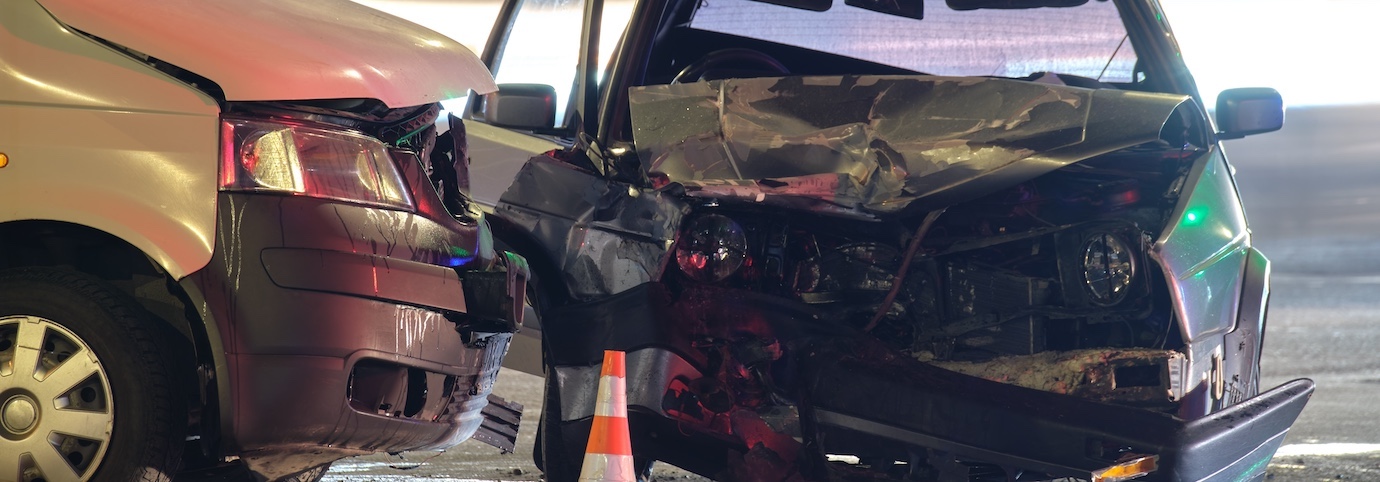
Most Initial Offers Are Negotiable—Here’s How to Challenge Them
Most initial insurance offers for totaled vehicles are negotiable, despite how final and authoritative they appear. Insurance companies present totaled car settlements as carefully calculated determinations, but these offers typically represent their minimum acceptable payout rather than truly fair total loss vehicle value. Understanding the step-by-step challenge process empowers you to negotiate effectively, document your case professionally, and secure compensation that actually reflects what your vehicle was worth. CALLMAA’s vehicle replacement walks you through each stage of this process, helping you build compelling counter-offers that insurance companies must take seriously.
Step 1: Request the Valuation Report
You’re legally entitled to see exactly how insurance calculated your totaled car settlement, including all comparable vehicles they selected, every adjustment they applied, and the complete methodology behind their total loss vehicle value determination. Request the full valuation report in writing, not just the summary page with the final number.
Review the comparable vehicles they used—examine the year, mileage, condition ratings, feature lists, and sale prices. Look at the condition adjustments they applied to account for differences between comps and your vehicle. Identify problems with their methodology: Are comps from cheaper geographic markets? Did they use outdated listings? Are condition adjustments excessive? Do comps include salvage title vehicles? This analysis reveals where bias entered their calculations and where you have the strongest grounds to challenge their offer.
Step 2: Gather Your Own Evidence
Find better comparable vehicles that support a higher total loss vehicle value—search current dealer listings, classified ads, and recent sales for vehicles similar to yours with higher prices. Focus on comps with similar mileage, condition, features, and geographic proximity to where your vehicle was titled.
Collect documentation of your vehicle’s actual condition, including pre-accident photos, maintenance records showing regular service, receipts for recent repairs or improvements, and inspection reports if available. Document all features, options, and upgrades your vehicle had—factory options, aftermarket systems, recent improvements like new tires or batteries, and any modifications that added value. If the insurance offer seems significantly low and you’re facing substantial gap insurance total loss concerns, consider getting an independent appraisal from a qualified appraiser to provide a professional valuation that supports your position.
Step 3: Build Your Counter-Offer
Present the better comparable vehicles you found, explaining why these comps more accurately represent your vehicle’s fair market value than the examples insurance selected. Challenge unfair condition adjustments they applied—if they characterized your well-maintained vehicle as “poor” condition, provide maintenance records and photos proving a better condition. Document features insurance missed or undervalued in their totaled car settlement calculation, including factory options, recent improvements, and aftermarket additions with receipts showing costs and installation.
Calculate what you believe represents a fair total loss vehicle value based on your comparable vehicles, accounting for mileage and condition differences with reasonable adjustments rather than the excessive penalties insurance applied. Present your counteroffer in an organized, professional format with clear evidence supporting each component of your valuation.
Step 4: Negotiate With Insurance
Submit your written counteroffer with all supporting evidence—better comps, documentation, photos, records, and your revised valuation calculation. Be prepared for back-and-forth negotiation as insurance likely won’t accept your counteroffer immediately but may increase their original totaled car settlement offer. Stand firm on documented fair market value, referencing the specific evidence you’ve provided rather than making emotional arguments about what you think your car was worth.
If insurance remains unreasonable despite compelling evidence of a higher total loss vehicle value, involve your attorney to add legal weight to negotiations and ensure the settlement strategy aligns with your broader injury claim. CALLMAA’s total loss guidance helps you evaluate each insurance response, determine when to stand firm versus when to accept reasonable compromises, and coordinate negotiation strategy with your attorney throughout the process.
Step 5: Escalate If Necessary
If insurance refuses to negotiate reasonably despite strong evidence supporting higher totaled car settlement amounts, escalation options exist. File a formal complaint with your state insurance department documenting how the insurance used a biased methodology to justify an inadequate total loss vehicle value and refused to negotiate in good faith. Review your insurance policy for an appraisal clause that allows neutral third-party valuation when you and insurance can’t agree—this formal process often results in higher settlements than initial offers.
Involve your attorney more directly for serious disputes where thousands of dollars separate insurance’s position from fair value, as legal representation adds pressure and protects your rights if disputes require litigation. Document everything throughout the challenge process—all communications, evidence submitted, offers made, and responses received—creating a comprehensive record if formal complaints or legal action become necessary. Throughout all escalation stages, gap insurance total loss coverage considerations, injury claim coordination, and overall recovery strategy remain central to decisions about how aggressively to pursue higher compensation.
Expert Guidance Throughout Your Challenge
CALLMAA coordinates with your attorney at every stage, helping you evaluate whether initial offers warrant challenge, building evidence packages that support higher valuations, crafting counter-offers that insurance must take seriously, and determining when to escalate versus when to accept reasonable settlements. Our total loss guidance ensures your challenge process is strategic, documented, and coordinated with your broader injury case rather than working at cross purposes. We help you avoid common mistakes that weaken negotiating positions while leveraging opportunities that maximize your totaled car settlement and overall compensation recovery.
Tax, Title, Fees, and Replacement Costs
Your insurance settlement check arrives, and the number looks reasonable. Then you start shopping for a replacement vehicle. Sales tax, registration fees, title transfer costs, dealer charges—suddenly you’re thousands of dollars short of what you actually need.
This surprises accident victims. You thought the settlement covered everything, but the true cost of replacing your vehicle is significantly higher than the check in your hand.
What Gets Included in Total Loss Settlements
Most insurance companies include sales tax on your replacement vehicle. If you paid $20,000 for your totaled car, you need that same amount to replace it. Title and registration fees usually appear in settlements, too—these costs are necessary to legally own and operate your new vehicle.
Your state’s regulations determine exactly which fees get covered. Some states, such as Missouri, mandate certain cost coverage. Others leave more discretion to insurance carriers.
Common Exclusions That Reduce Your Buying Power
Dealer fees and documentation charges rarely appear in settlements. Insurance companies argue these vary by dealership, but try buying a car without paying them.
Extended warranties won’t transfer to your replacement vehicle, even if your totaled car had coverage remaining.
The gap between actual cash value and true replacement cost creates the biggest problem. Your settlement reflects what your old vehicle was worth. Finding a comparable vehicle for that exact amount? Much harder than it sounds.
Rental car coverage typically ends when your settlement finalizes. But shopping for a vehicle, securing financing, and completing the purchase takes time.
Why These Details Matter
You find a similar vehicle listed for $2,000 more than your settlement. Add sales tax—another $1,500. Title transfer—$200. Registration—$150. Dealer fee—$500. Suddenly, you’re $4,350 short.
This is where gap insurance for total loss situations becomes critical. If you owe more than the settlement amount, gap coverage bridges that difference. Without it, you’re paying off a car you can no longer drive while financing its replacement.
Hidden costs erode your buying power before you realize what’s happening. Understanding what your settlement includes gives you negotiation leverage and helps you plan accordingly.
How CALLMAA Clarifies Your True Settlement Value
Insurance settlement letters confuse most people with their calculations and adjustments. Vehicle actual cash value, comparable sales data, tax provisions—understanding what you’re actually receiving takes expertise.
CALLMAA breaks down your totaled car settlement line by line. We explain which expenses are included and which you’ll cover separately. We help identify gaps between your settlement and real replacement costs. When gap insurance total loss coverage applies, we help you activate that protection.
Call CALLMAA today for help understanding exactly what your settlement covers. Our vehicle replacement ensures you’re not surprised by hidden expenses when shopping for your replacement vehicle.
Salvage Titles and Keeping Your Totaled Car
Your Option to Keep the Vehicle
Insurance doesn’t require you to surrender your totaled vehicle. You can retain ownership while receiving a settlement minus the salvage value. This means you keep the damaged car and receive compensation minus what insurance could recover by selling it to a salvage yard.
When you choose this path, your vehicle receives a salvage title. This branded title permanently indicates the car was declared a total loss. Understanding salvage value deductions and long-term implications helps you decide whether keeping your totaled car makes sense.
How Salvage Value Affects Your Settlement
Insurance calculates salvage value based on what they could sell your damaged vehicle for in its current condition. This deduction can range from a few hundred dollars for severely damaged vehicles to several thousand for vehicles with valuable parts or repairable damage.
Your total loss vehicle value calculation remains the same whether you keep the car or surrender it. The difference is whether you receive the full amount or the amount minus salvage value.
When Keeping Your Totaled Vehicle Makes Sense
Sentimental attachment sometimes outweighs financial considerations. If your vehicle holds deep personal meaning, the emotional value might justify keeping it despite the salvage title and repair costs.
Rare or collectible vehicles present unique situations where totaled car settlements might not reflect true replacement difficulty. Finding another example could prove impossible or far more expensive than insurance’s valuation suggests.
Sometimes damage appears less severe than in insurance claims. If repairs would cost significantly less than estimated, keeping your vehicle and paying for fixes yourself might leave you better off than shopping for a replacement in today’s market.
Parts value occasionally exceeds the salvage value deduction. If your vehicle contains valuable components or expensive aftermarket upgrades that you could remove and sell, the deduction might be worth paying.
When Keeping Doesn’t Make Sense
Severe structural or safety damage makes keeping dangerous. Frame damage, compromised safety systems, or serious mechanical failures put everyone at risk. No amount of sentimental value justifies driving an unsafe vehicle.
Proper repair costs often exceed both the settlement amount and reasonable vehicle value. If qualified mechanics indicate that thorough repairs would cost more than you’d receive, keeping the vehicle creates a money pit.
Salvage titles dramatically reduce future resale value. Even perfectly repaired vehicles with salvage brands sell for thirty to fifty percent less than clean title equivalents. Insurance companies often refuse full coverage, and lenders typically won’t finance salvage title purchases.
Insurance and registration complications create ongoing headaches. Many carriers won’t provide comprehensive or collision coverage on salvage vehicles. Some states require extensive inspections before allowing salvage title vehicles back on the roads.
How CALLMAA Provides Guidance on This Decision
Making the keep-or-surrender decision requires understanding salvage value calculations, repair costs, title implications, and long-term financial impacts.
CALLMAA helps you evaluate whether keeping your vehicle makes sense. We explain how insurance calculates the salvage value deduction and help you obtain accurate repair estimates. We walk you through salvage title implications and help you consider how this decision affects your overall injury claim.
Call MAA today for help evaluating whether keeping your totaled vehicle makes sense. Our vehicle replacement ensures you make an informed choice that protects your recovery.
Frequently Asked Questions
Integration with Your Complete Recovery
Your totaled car settlement connects to every part of your accident recovery. Transportation needs, injury documentation, and financial stability all depend on resolving your total loss vehicle value fairly.
You need transportation for medical appointments while waiting for your totaled car settlement and replacement vehicle. Rental coverage often expires before you finalize the settlement. CALLMAA coordinates solutions, keeping you mobile during this gap.
Your total loss vehicle value documentation strengthens your injury claim. Proper evidence creates a complete picture of the accident’s impact. CALLMAA coordinates with your attorney so your totaled car settlement supports your bodily injury claim rather than complicating it.
Fair compensation means less financial stress during healing. When gap insurance total loss coverage applies properly and settlements reflect true costs, you focus on recovery instead of money worries.
CALLMAA coordinates your medical care, attorney referrals, and vehicle replacement as connected pieces. Your settlement becomes part of a strategy maximizing overall compensation while minimizing stress.

Get Expert Total Loss Guidance Today
Accepting the first totaled car settlement offer often leaves thousands on the table. Insurance counts on victims not understanding total loss vehicle value calculations or knowing they can negotiate for fair compensation.
You don’t have to accept inadequate offers or figure out gap insurance total loss coverage alone.
Call MAA for Protection
1-833-3-CALLMAA has helped thousands maximize their totaled car settlements through expert total loss guidance that challenges unfair valuations. We work at no upfront cost, coordinating with your attorney while ensuring your settlement supports complete recovery.
You get expert advocacy recognizing when total loss vehicle value offers are too low, gap insurance guidance ensuring coverage applies properly, and coordinated support connecting your totaled car settlement with medical care and legal representation.
Call MAA today at 833-847-1622 for vehicle replacement, securing a fair settlement. Whether questioning your total loss vehicle value determination or worried about gap insurance total loss situations, we provide clarity and advocacy, protecting your financial recovery.
Don’t accept less than you deserve. Contact 1-833-3-CALLMAA for total loss guidance that ensures your totaled car settlement makes you whole.